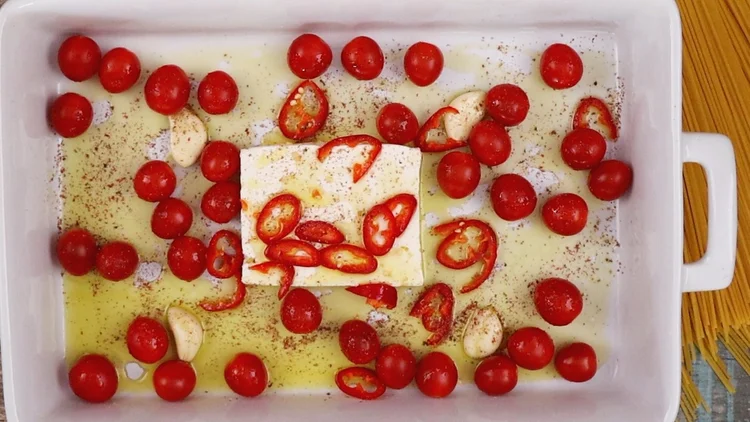
The culinary world was taken by storm in early 2021 when a simple yet brilliant recipe, now famously known as baked feta pasta, went viral on TikTok. This seemingly effortless dish, featuring a block of feta cheese and cherry tomatoes roasted until melty and bubbly, then tossed with pasta, captivated millions with its promise of a creamy, comforting, and incredibly easy weeknight meal. Indeed, it caused feta cheese shortages in grocery stores across multiple countries, a testament to its widespread appeal!
Originally conceived by Finnish food blogger Jenni Häyrinen in 2019, the magic of this dish lies in its transformation: the heat turns salty feta into a luscious, creamy sauce without needing any actual cream. It's truly one of the simplest "from scratch" pasta sauces ever invented.
However, despite its viral success and apparent simplicity, many home cooks find their attempts at feta pasta fall flat. Instead of the rich, tangy, and silky sauce they envisioned, they're left with a bland, oily, or even grainy concoction. If you've ever wondered why your baked feta pasta didn't quite hit the mark, you're in the right place. We're about to uncover the secrets to transforming your dish from mediocre to deliciously creamy and unforgettable.
Unmasking the Blandness: Common Feta Pasta Pitfalls
The beauty of feta pasta lies in its minimal ingredients, but this also means each component needs to pull its weight. When your dish tastes bland, it's often due to one or more fundamental errors in ingredient selection or preparation.
The Feta Factor: Quality Over Convenience
One of the most critical elements for truly delicious feta pasta is the feta itself. Resist the temptation of pre-crumbled feta. While convenient, these often contain anti-caking agents and lack the rich, briny flavor and smooth texture essential for a creamy sauce.
- Opt for a Block of Feta: Always choose a good-quality block of feta, preferably one stored in brine. Greek feta, known for its creamier texture and tangier profile, is often considered the gold standard.
- Why it Matters: When roasted, a solid block of high-quality feta softens and melts into a genuinely smooth, luscious sauce. Pre-crumbled versions tend to remain more granular and can result in a less cohesive, sometimes grainy, sauce that lacks the desired melt-in-your-mouth texture.
Tomato Troubles: Cherry or Grape is King
The choice of tomatoes is equally vital to the sauce's success and flavor development.
- Stick to Cherry or Grape Tomatoes: These small, sweet varieties are ideal. During roasting, they burst beautifully, releasing their concentrated sweet juices that mingle with the melting feta, creating the perfect balance of acidity and sweetness.
- Avoid Larger Tomatoes: Using larger tomatoes like Roma or beefsteak is a common mistake. They contain too much water, can dilute the sauce, and often don't caramelize or sweeten sufficiently, leading to a watery, less flavorful outcome.
Seasoning & Aromatics: The Unsung Heroes
Even the best ingredients can fall short without proper seasoning and aromatics. A bland feta pasta often points to a lack of attention here.
- Don't Skimp on Olive Oil: Extra virgin olive oil is not just a cooking medium; it's a flavor enhancer and contributes to the overall mouthfeel. Ensure you use enough to coat the tomatoes generously and drizzle over the feta before roasting. This helps everything caramelize and infuses the dish with its distinctive fruity, peppery notes.
- Garlic is Non-Negotiable: Fresh garlic, whether minced, sliced, or even whole cloves, is essential. Its pungent aroma and savory depth are crucial for balancing the feta's saltiness and the tomatoes' sweetness. Skipping it entirely, or using too little, will leave your sauce feeling flat.
- Salt and Pepper: A basic but often overlooked step. Season the tomatoes and olive oil generously before roasting. The feta itself is salty, but the tomatoes need their own seasoning to bring out their best flavor.
- The Balsamic Boost: A secret weapon for many seasoned cooks is a splash of good-quality balsamic vinegar added immediately after roasting, while everything is still hot. This addition provides a wonderful depth, a touch of acidity, and a slight sweetness that elevates the entire dish, cutting through richness and brightens the flavors significantly.
Temperature & Time: Roasting for Flavor Development
Proper roasting is where the magic happens, transforming raw ingredients into a cohesive, flavorful sauce.
- Optimal Roasting Conditions: Bake your feta and tomatoes at 400°F (200°C) for 35-40 minutes. The goal is for the feta to be soft, bubbly, and slightly golden on top, and for the tomatoes to have burst, shriveled slightly, and caramelized at the edges.
- Consequences of Under-Roasting: Insufficient roasting time or temperature can result in undercooked tomatoes that haven't released their juices, and feta that hasn't fully softened into a creamy consistency. This leads to a less flavorful and textural experience.
Crafting Creamy Perfection: Essential Techniques for a Delicious Feta Pasta
Once you've nailed the foundational ingredients and roasting process, a few key techniques can ensure your feta pasta achieves that coveted creamy, clingy sauce every time.
The Magic of Pasta Water: Your Sauce's Best Friend
This is arguably the most important tip for achieving a truly silky sauce that coats every strand of pasta.
- Reserve Starchy Pasta Water: Before draining your pasta, always reserve at least a cup of the starchy cooking water. This water is liquid gold for pasta sauces.
- How it Works: The starches released from the pasta into the water act as an emulsifier. When added gradually to your roasted feta and tomato mixture, it helps create a smooth, velvety sauce that clings beautifully to the pasta. It binds the olive oil, feta, and tomato juices together, preventing separation and adding an incredible richness.
- Add Gradually: Start by adding a few tablespoons at a time to the roasted mixture while stirring vigorously. Continue adding until your sauce reaches your desired creamy consistency.
Finishing the Pasta: The Al Dente Advantage
For optimal texture and flavor absorption, how you finish cooking your pasta matters.
- Cook Pasta One Minute Less: Boil your chosen pasta until it's about one minute shy of al dente according to package directions. It should still have a slight bite.
- Finish in the Sauce: Drain the pasta (remembering to reserve that water!) and immediately transfer it directly into the baking dish with the warm feta and tomato sauce. Toss everything together, allowing the pasta to absorb the flavors and finish cooking in the luxurious sauce. This step ensures every piece of pasta is infused with the rich taste of your feta pasta.
Elevating Flavor: Beyond the Basics
To truly make your feta pasta sing, consider these simple additions:
- Fresh Herbs: Torn fresh basil stirred in at the end is a classic and highly recommended addition, offering bright, aromatic notes. Fresh oregano or thyme can also be added before roasting for a deeper, earthier flavor profile.
- A Touch of Cream Cheese: For an extra layer of richness and an undeniably velvety texture, some "new and improved" versions of baked feta pasta suggest adding a tablespoon or two of cream cheese to the roasted mixture before stirring in the pasta. It melts seamlessly and contributes to an even creamier result.
- Lemon Zest or Juice: A little burst of fresh lemon zest grated over the finished dish, or a squeeze of lemon juice, can add a refreshing brightness that cuts through the richness of the feta and tomatoes.
- Red Pepper Flakes: For those who enjoy a little heat, a pinch of red pepper flakes added before roasting or at the end can provide a subtle, welcome kick.
The Right Pasta Shape for the Job
While any pasta works, certain shapes are better suited to catching the chunky yet creamy sauce.
- Short Pasta Varieties: Penne, rigatoni, orecchiette, or fusilli are excellent choices. Their nooks, ridges, and cupped shapes are perfect for scooping up the luscious feta and burst tomatoes, ensuring a flavorful bite every time.
Customizing Your Feta Pasta: From Simple to Substantial
One of the beauties of feta pasta is its versatility. Once you've mastered the core recipe, it's incredibly easy to adapt it to your taste or turn it into a more substantial meal.
Adding Protein for a Heartier Meal
To transform your feta pasta into a complete main course, consider adding cooked protein:
- Grilled Chicken: Cubed grilled or pan-fried chicken breast tossed in at the end is a fantastic addition.
- Shrimp: Sautéed shrimp, added during the last few minutes of pasta cooking or directly into the sauce, pairs beautifully with the tangy feta.
- Italian Sausage: Crumbled and cooked Italian sausage (mild or spicy) provides a savory, robust counterpoint to the creamy sauce.
Simply cook your protein of choice separately and stir it into the pasta and sauce mixture before serving. The feta sauce coats everything beautifully, integrating the protein seamlessly into the dish.
Incorporating More Vegetables
Boost the nutritional value and complexity of your feta pasta by adding more vegetables:
- Roast Alongside: Vegetables like asparagus spears, zucchini chunks, sliced red onion, or bell peppers can be roasted right alongside the cherry tomatoes and feta. They'll absorb the delicious olive oil and tomato juices, adding extra texture and flavor.
- Stir in Fresh Greens: Fresh spinach or peppery arugula can be stirred into the hot pasta and sauce after baking. The residual heat will gently wilt them, adding a vibrant green color and a fresh, slightly bitter note.
The viral baked feta pasta truly is a revelation when done right. By paying attention to the quality of your feta and tomatoes, being generous with olive oil and garlic, not skipping on crucial seasoning, and leveraging the power of starchy pasta water, you can consistently achieve a dish that is far from bland. Instead, you'll be rewarded with a wonderfully creamy, tangy, and utterly delicious meal that perfectly balances its few, simple ingredients. So, embrace these tips, experiment with additions, and prepare to elevate your feta pasta to its most scrumptious, creamy potential!
